



Slope of Hope Blog Posts
Slope initially began as a blog, so this is where most of the website’s content resides. Here we have tens of thousands of posts dating back over a decade. These are listed in reverse chronological order. Click on any category icon below to see posts tagged with that particular subject, or click on a word in the category cloud on the right side of the screen for more specific choices.
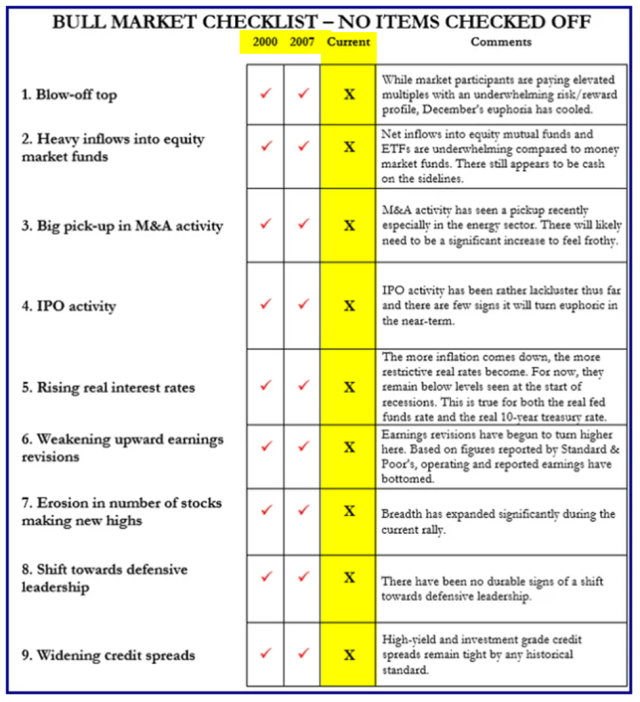
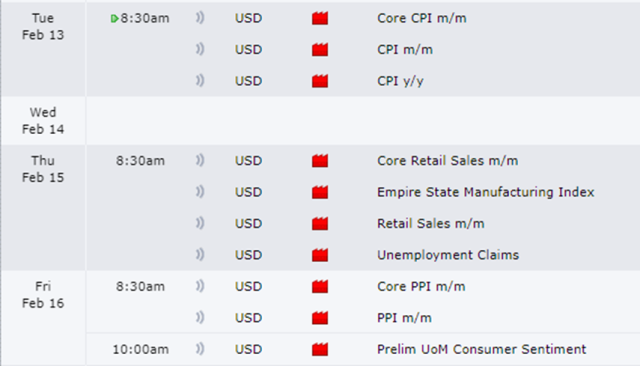
Crowded Calendar Returns
The boredom will end soon.
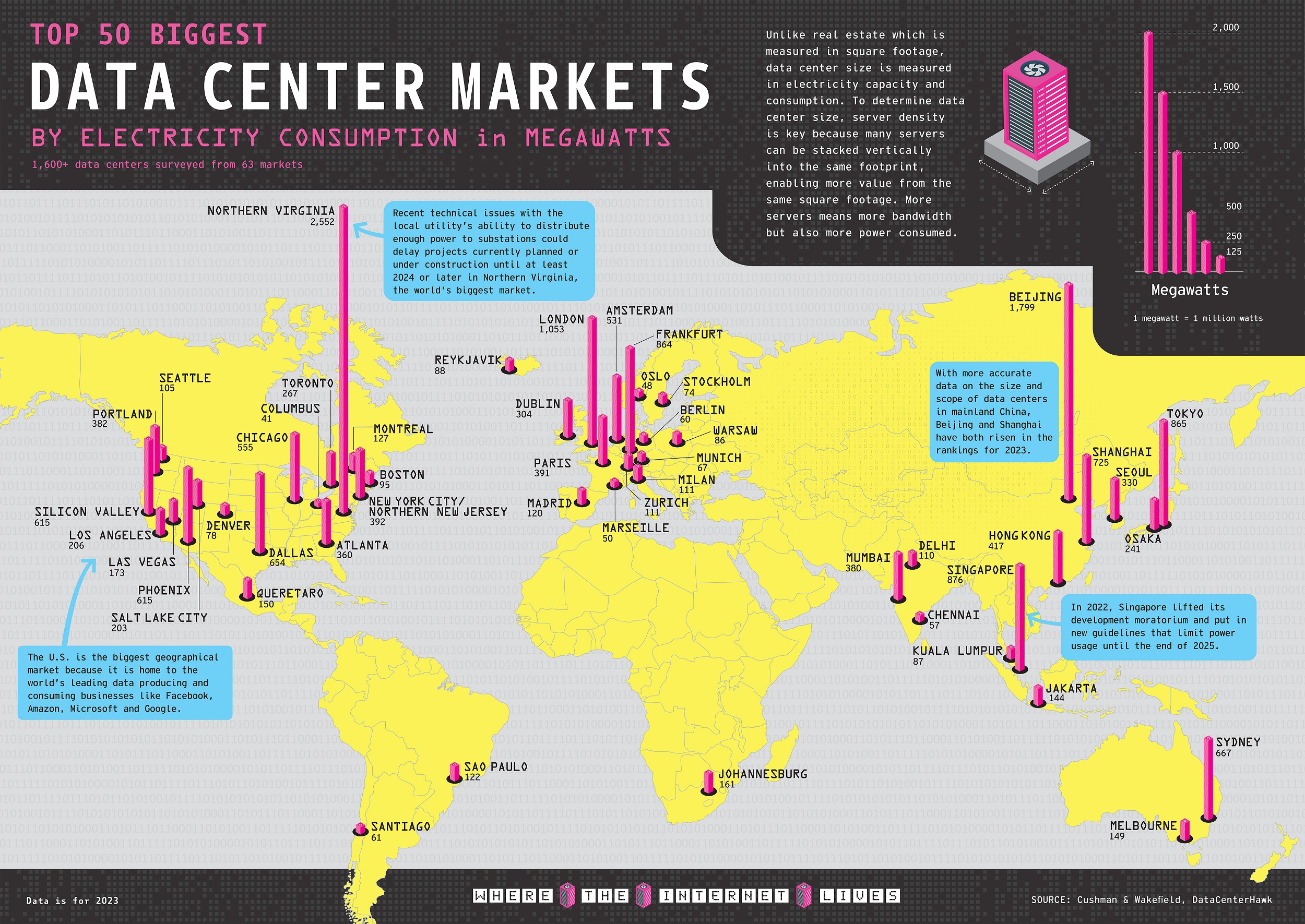
Where the Data Flows
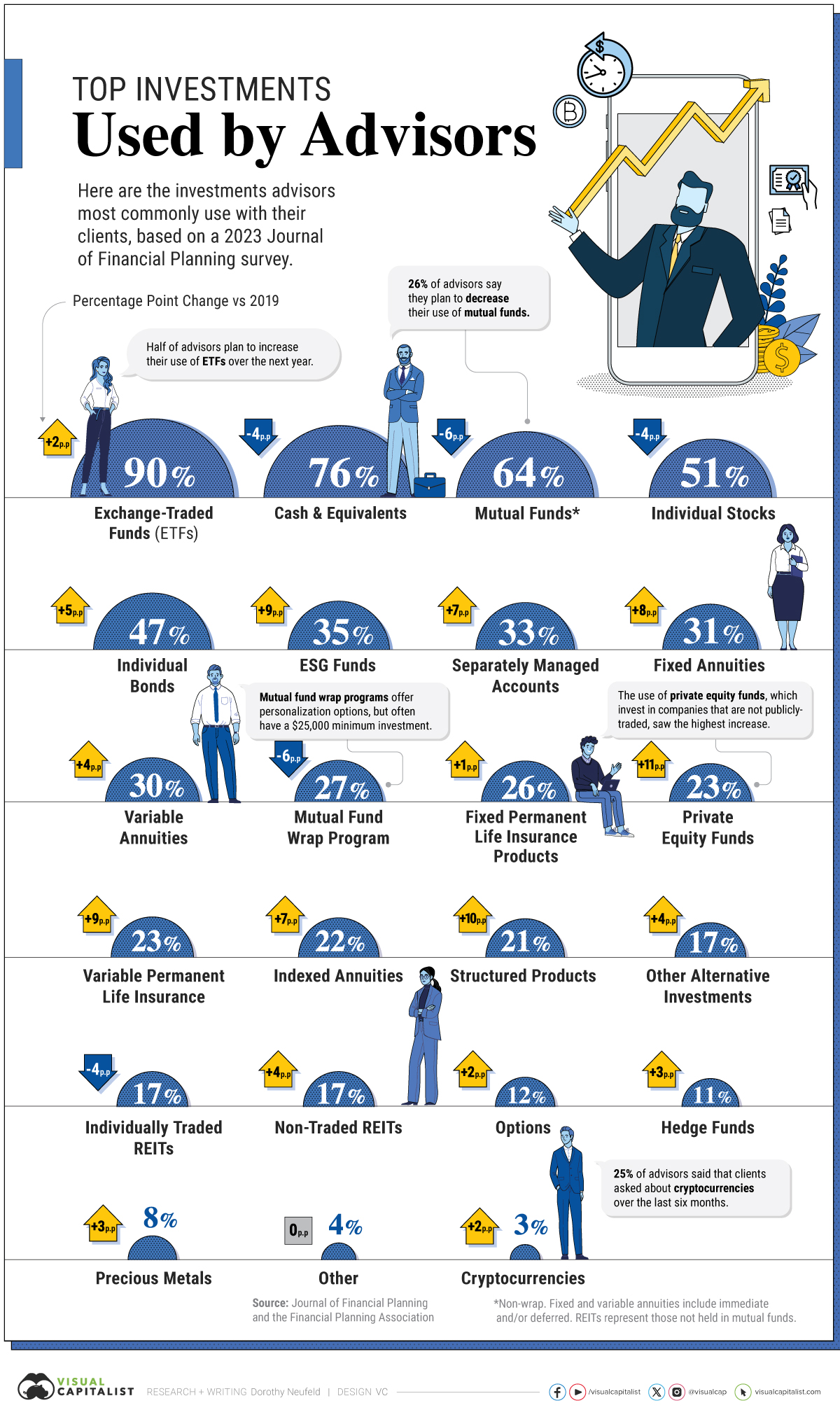
Advisor Investments
Best Unoriginal Screenplay
We just finished watching Leave the World Behind (the #1 movie on Netflix!) and it was all right, except for the nausea-inducing cinematography (you’d have to watch it to see what I mean, but trust me). I was struck, and a bit alarmed, and the many themes in the movie which are identical to those I wrote about in my Solid State book, including
- The confusion that takes place when networked devices stop working;
- The advantages rural citizens have versus the poor souls in urban areas;
- Potential mayhem caused by self-driving cars;
- The ease of accusations about which foreign enemies may be the bad guys;
- And, one so obscure that I was shocked, a specific scene in which the protagonist refuses to give a terrified middle-aged woman a ride, even though she’s pleading
I just want to be clear that I wrote ALL this stuff, including my recent revisions, before I saw this thing! Oh, by the way, the ending to the movie sucks out loud. It’s incredibly bad.
