

Here’s a centuries-long perspective of interest rates, showing that, in spite of the relative explosion of rates higher, money basically gets cheaper to borrow over the span of modern history.


Slope initially began as a blog, so this is where most of the website’s content resides. Here we have tens of thousands of posts dating back over a decade. These are listed in reverse chronological order. Click on any category icon below to see posts tagged with that particular subject, or click on a word in the category cloud on the right side of the screen for more specific choices.
Here’s a centuries-long perspective of interest rates, showing that, in spite of the relative explosion of rates higher, money basically gets cheaper to borrow over the span of modern history.
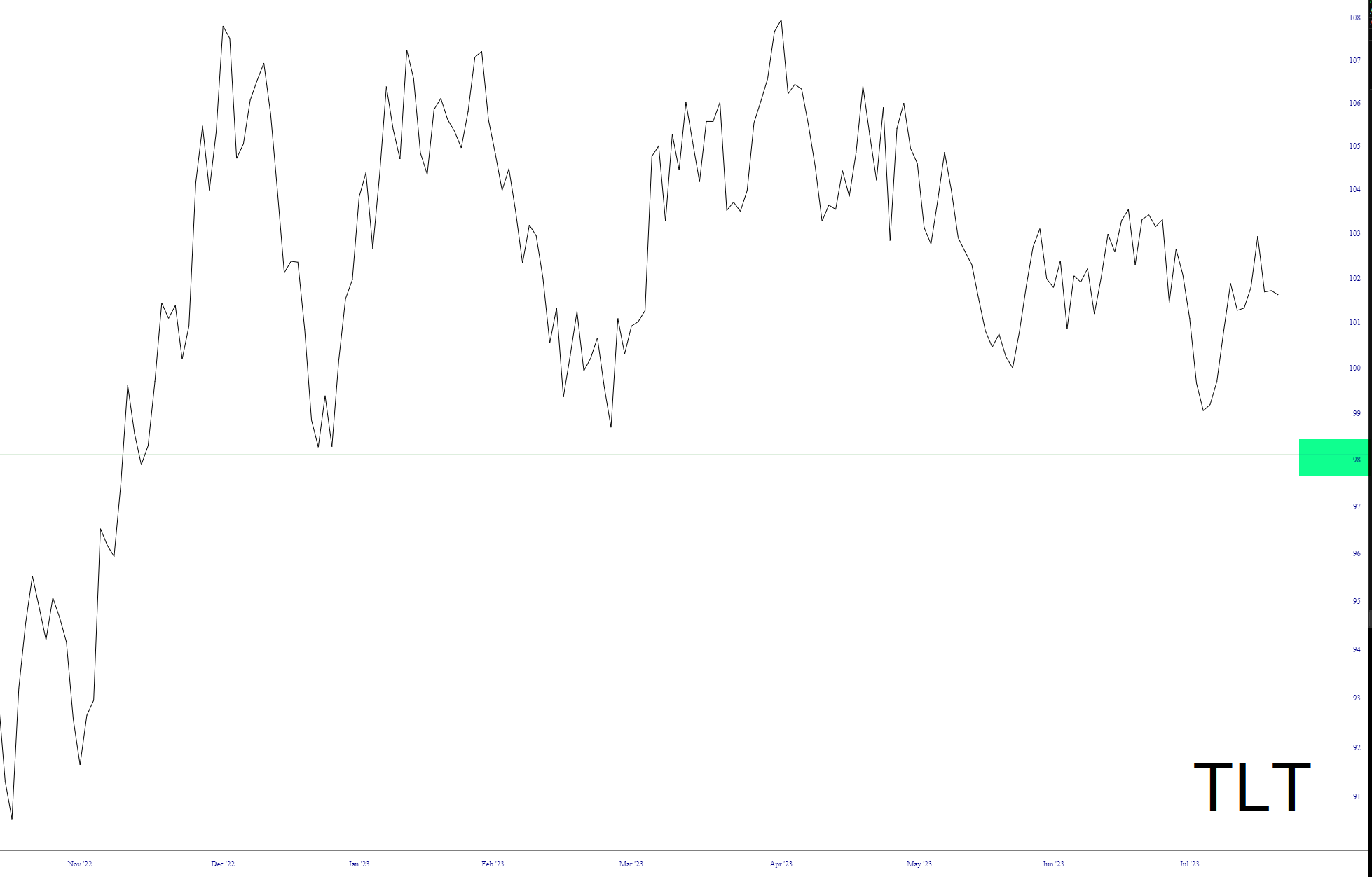
Truly, keep a close eye on TLT. A failure of the horizontal would be a big deal for multiple asset classes.
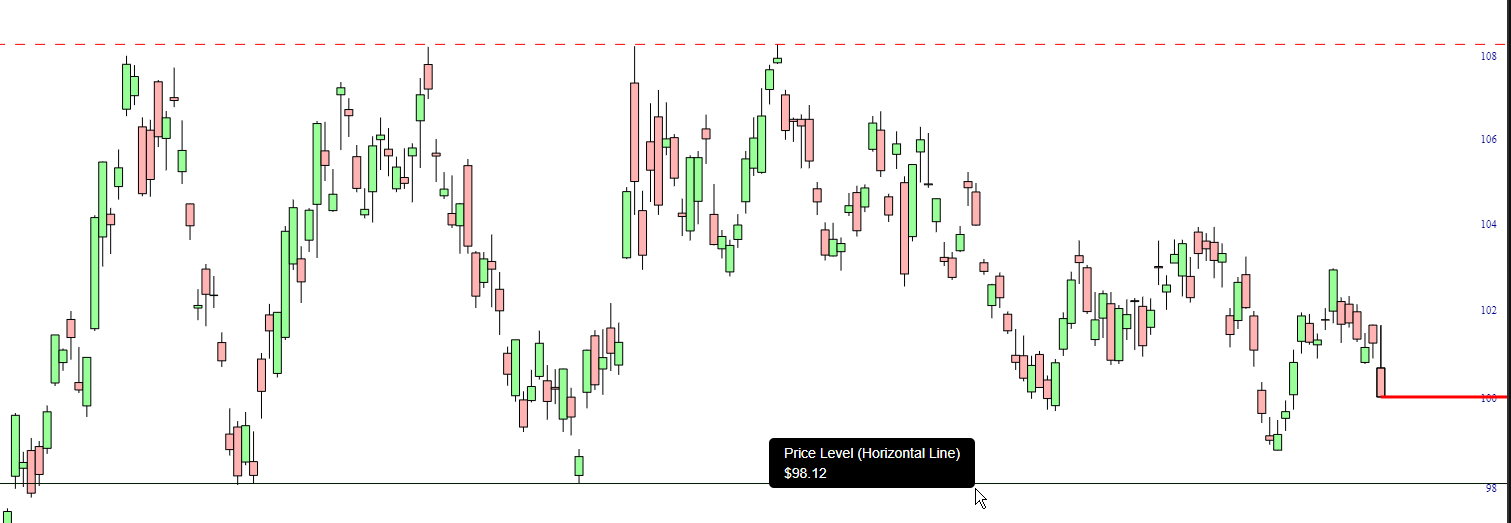
Bonds have been range-bound since mid-November. That’s nine full months of meandering in this sinewave. I’d keep a close eye on that lower boundary. Break it, and Even Higher Interest Rates are clearly being signaled, thanks to Yellen’s tremendously generous gift to her banking friends in mid-March.
Note: This post is special enough to be labeled a premium post, which means that it is (with the exception of the paragraph you are reading now) visible only to Gold and Platinum subscribers. If you would like to try a risk-free subscription to get immediate access to all premium content, as well as the dozens of other features exclusive for paid accounts, click here to explore the choices. Everyone is welcome to continue chatting in comments below (or, for a more free-flowing experience, please use SlopeTalk).
Click here for a special 99 cents offer to try Gold out super-cheap!.
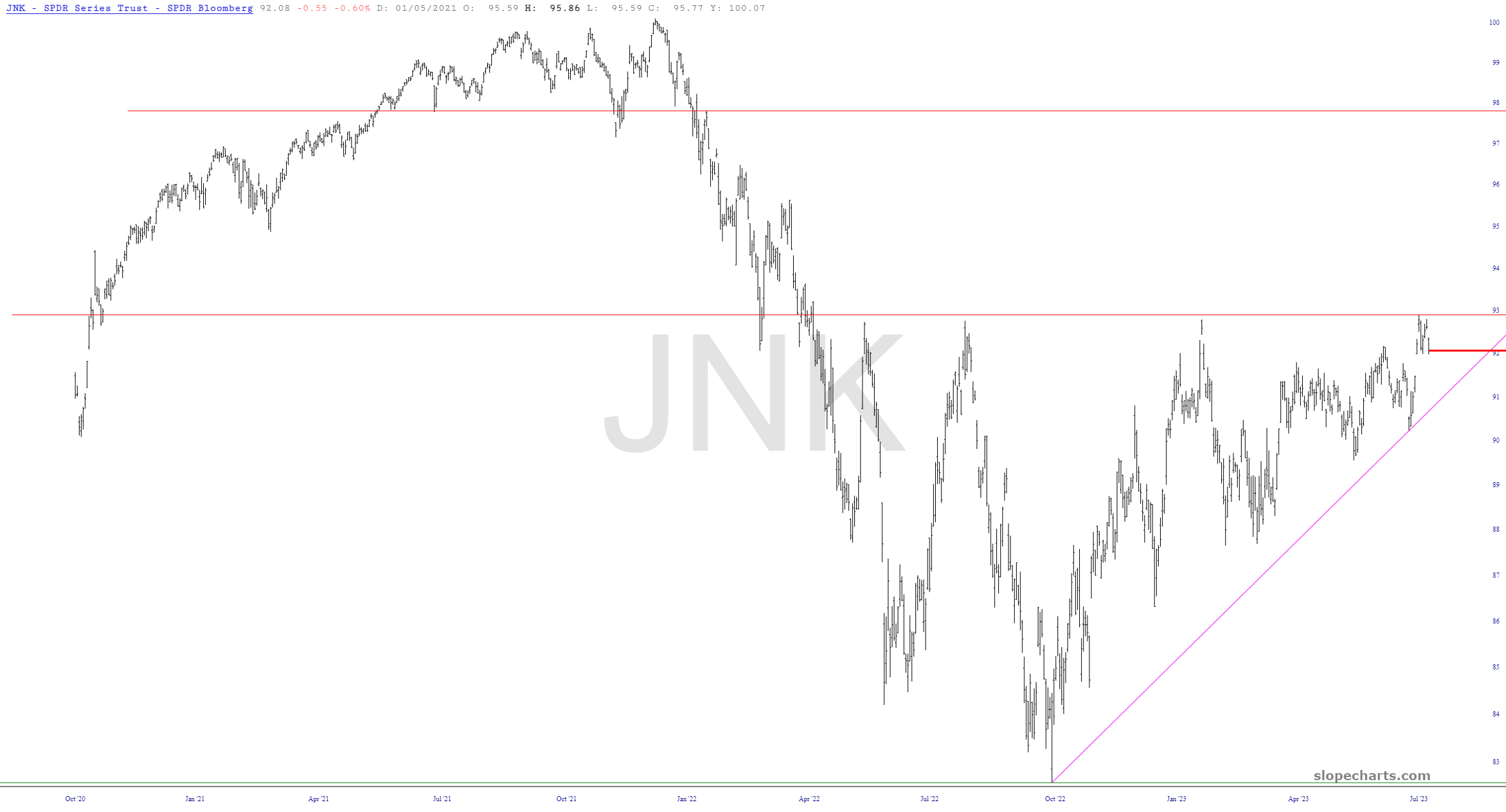
I’ve mentioned the crucial importance of the interest-sensitive ETFs – – as the boys in Gainesville often said, these bond markets are “equities in drag” and are sometimes prescient about future stock direction. In any case, they’ve done an about-face from importance horizontal resistance levels: