

I just finished a very brief visit of Washington, D.C. and thought I’d share a few thoughts I had while I was there. To begin, I rented a car during my thirty-hour visit, and I did a fair amount of driving. I’ve driven hundreds of thousands of miles in my life, but my hand to God, I don’t think I’ve ever seen as many turns, tunnels, and opportunities to go the wrong way as I have in the District of Columbia. Good Lord!
I cannot imagine the kinds of auto accidents that must take pace with nervous drivers there. I’m glad to be done with it, with nary a scratch to show for it all.

I find the nature in the D.C. area to be simply gorgeous. It’s extraordinarily lush, and one never gets the feeling of being in the kind of oppressive urban environment that one might find in, say, New York. Once one is out of the boundaries of D.C. itself, you are surrounded by woods and endless vegetation, and while I’m sure it’s pretty miserable on a sticky August afternoon, it was simply glorious during the very short time we were there.
Of course, people don’t tend to notice the area’s nature as much as the buildings, and that’s what I really wanted to write about.
Washington is all about edifices, whether monuments, office buildings, or foreboding centers of government power. A very typical look, such as what one would find with the Treasury building or the Department of State, is that of the General Services Administration
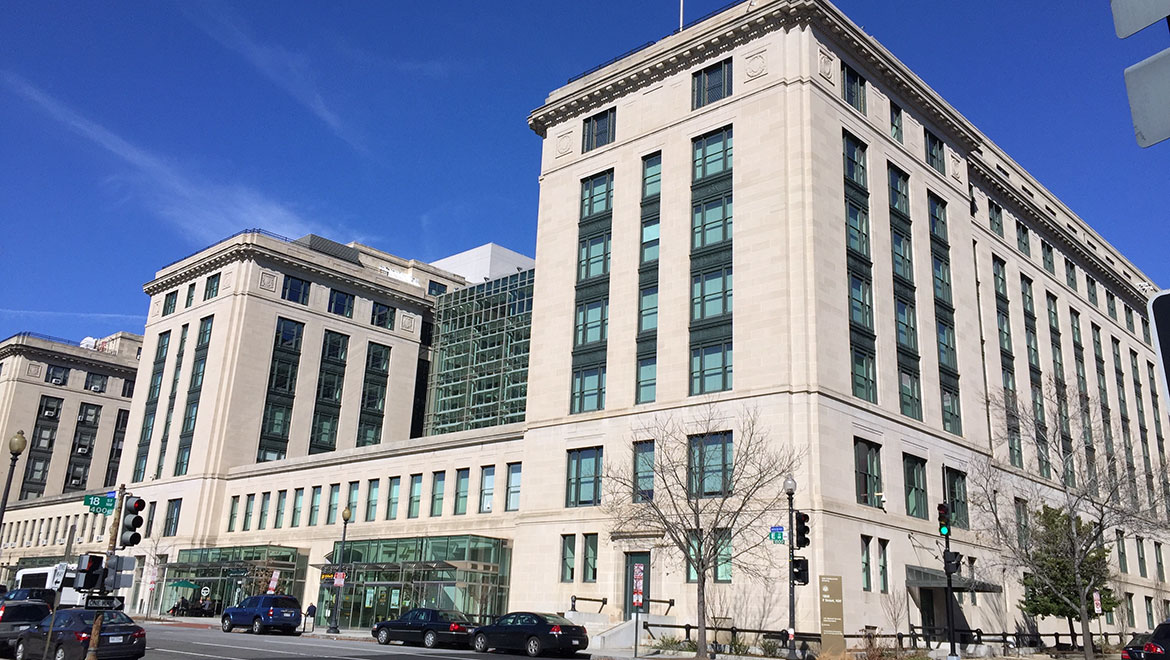
It’s big. It’s beige. It’s very solid looking. And if you took a time machine back to 1950, I suspect almost every single building in existence back then would look exactly the same today.
At a distance, there’s nothing wrong at all with any of these government building. They evoke the kind of impression an architect would want associated with a government body: steadfast, robust, well-constructed, and noble.
As I drove close by these buildings, however, the facade changes radically. I no longer see majesty and grandeur.
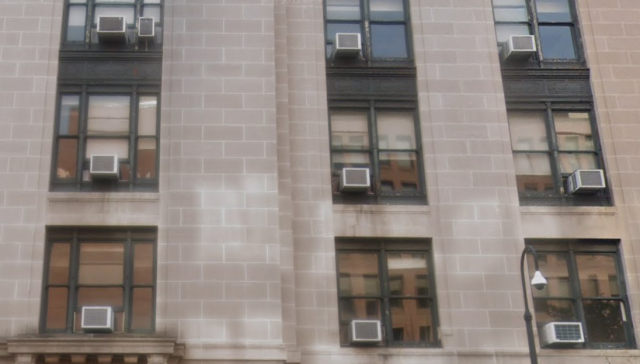
What I see is a wheezing, aged, rusty, tired old hulk of a mid-20th century construction project, pitifully adorned with hundreds of room air conditioners which probably consume about five times more power than a modern, centrally-air-conditioned building would.
Seen up close, these places look more like Harlem tenements than they do centers of American power.
At the street level, it’s even worse. The below photo doesn’t really do it justice, since I just took it from Google Street view, but when one actually peers inside one of these offices, what one sees are cardboard boxes piled on top of each other, plastic tubs scattered here and there, and basically a whole bunch of shit all over the place.
It certainly takes away any aforementioned majesty and grandeur.
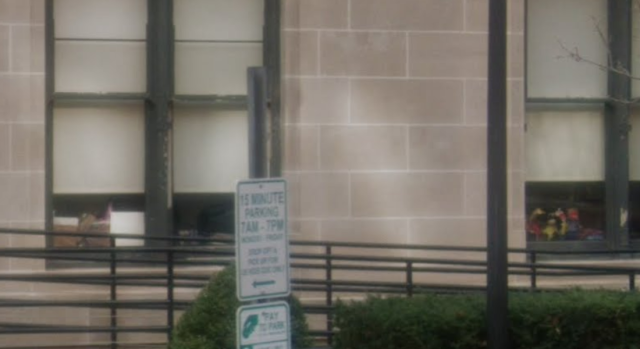
Like the United States government itself, viewed from a distance, it seems awesome and magnificent, but the moment you get somewhat close to it, you realize it’s just a gazillion “workers” who really aren’t cut out for private enterprise and are slumming away their adult lives living off the government teat from inside its own walls. It ain’t pretty.
Which leads me to this.
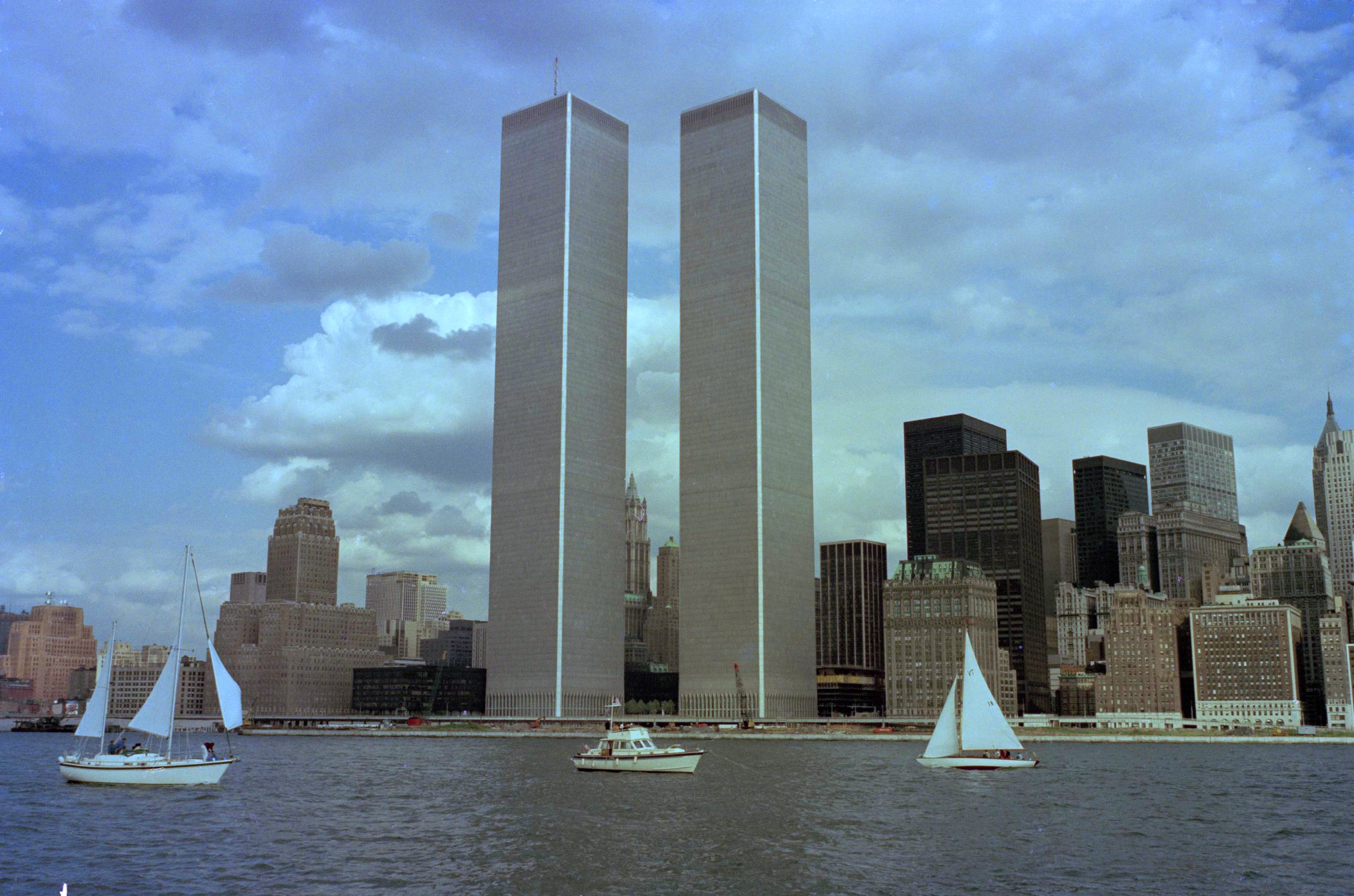
What comes to mind when you see a picture of those twin towers? You don’t have to tell me. We all think of the same thing.
It wasn’t always like this.
Show me this photograph in August 2001 and ask me what it makes me think about, and I might say something like the world’s tallest building, or the Windows on the World restaurant, or I might mention the interesting design of the steel that framed the building’s lower floors. I obviously wouldn’t even think of terrorism until a few weeks later, because the association simply wasn’t there.
I experienced the same thing with this:
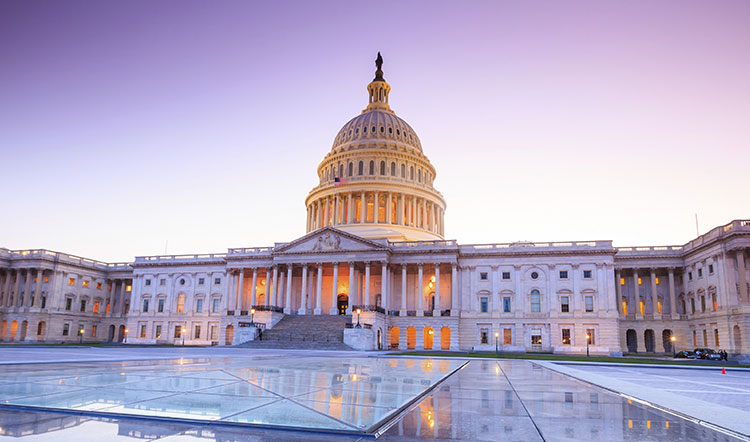
When I was a young lad, seeing this building made me awestruck. I saw something larger than life. It was made of beautiful stone, it seemed impossibly large, and it evoked a sense of majesty, goodness, effectiveness, and rightness.
I was the sort of kid who could stare at such a picture and think of nothing but good thoughts about what that building represented.
Of course, I don’t have such thoughts anymore.
Now, when I see the building either in real life or otherwise, all I can think of are {extremely colorful series of adjectives and descriptors, redacted here since I just don’t want to deal with the push-back}, for the first and last time in their lives, felt like they were someone who mattered. Those days are long gone, of course, but the mental shift is irrevocable. It’s no longer a place of majesty. It’s a symbol of chaos.
This was exacerbated upon hearing the news of the brilliant and historic military victory that Zelensky very single-handedly created for his homeland. I’m not going to get into my feelings about the tiny men on the right of this photograph, since some of my readers persist in their inexplicable idolatry, but I will simply say I am delighted that a true hero and patriot achieved such a magnificent score against that waxwork figure named Putin. I doff my hat to you, sir!

I’ve just got to say: my theological foundation doesn’t include Hell as a reality, but there are times when I truly can understand the need for one.
Anyway.
Some of my most wonderful memories were formed in D.C. when I was a child, particular at places like the Air & Space Museum. I was only eleven years old, but I thought I’d never want to leave that place. It was truly magical.
That was a long, long time ago, though, and I hope I live long enough to fall in love with this country again, rusting buildings and the rest of it. In the meanwhile, I’ll close with these words from Mr. David Byrne, which he put to a swaying, musical beat:
Now Washington, DC’s
A funny little town
The further you look into it
The further things stick outYou oughta be ashamed
You oughta be destroyed
I’ll chop you into little bits
And feed you to my dogs
