

It’s rare that I have the kind of spare time to read a nearly 500-page book, but I had the pleasure of doing so during this trip (thank you, awful airline WiFi!) The moment I saw that this book 1929 was going to be published, I pre-ordered it.
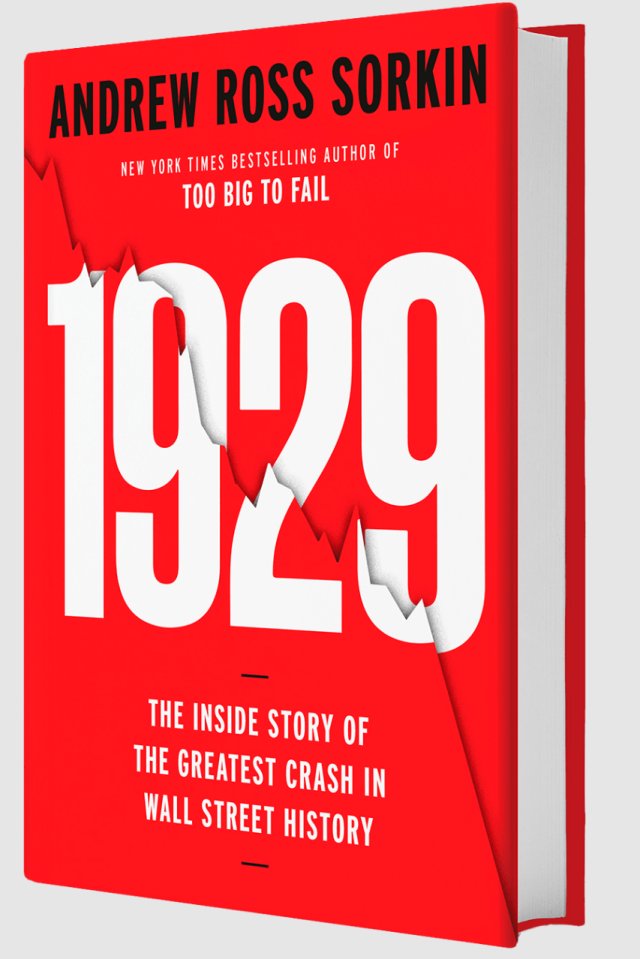
Amazon knows me well enough to suggest that I simultaneously purchase this:

I have a lifelong fascination with crashes and depressions. My parents were born in 1930 and 1931, so maybe it’s in my DNA. Looking at the climax of the Roaring 20s, the stock market looked much like it does today: raspy from time to time, but on the whole lurching to lifetime highs on a nearly daily basis, filling bulls with ever-more arrogance and bravado and crushing the souls of the bears into dust.
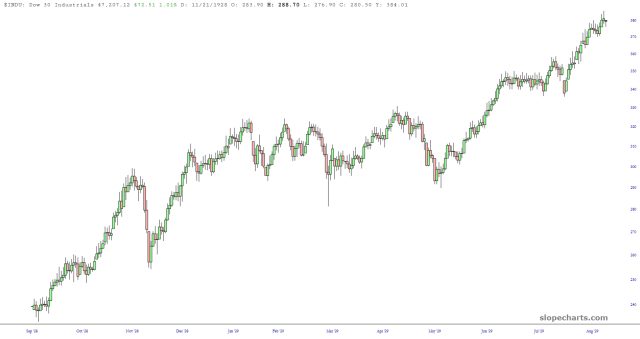
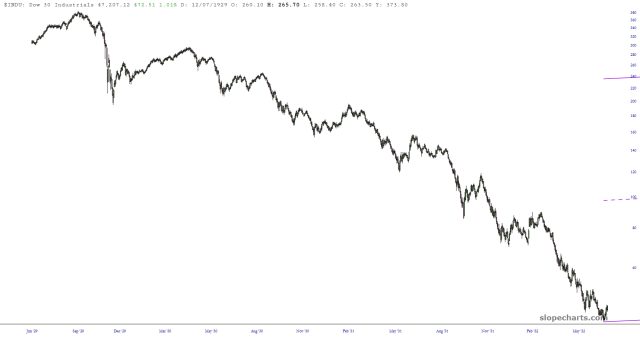
Once the mania broke, it was all over. The market peaked in early September 1929 (filled with precisely the kind of ballsy and pugnacious certainty of the nettlesome bulls this very day) and then ground its way into the subterranean muck over a period of more than three years. Can you even imagine that? A bear market spanning years? These days, the mollycoddled and government welfare queen public can’t tolerate a dip lasting longer than a few hours.
As for the book itself, having just completed it, I think it can best be considered as consisting of three sections:
- Before the Crash
- During the Crash
- After the Crash
The quality of these sections, in my estimation, varies somewhat. The “before” section is the strongest, which I would rate nearly a perfect ten. I had trouble putting the book down as Sorkin laid out the characters one by one and conjured up the atmosphere of the era. This is the strongest portion of the book.
The “after” section is almost as strong, although the narrative flags a little as the book draws to a close. This section of the book contains, among other things, the “vengeance” portion of the story, in which the public demands accountability of the once high-flying bankers are sued, imprisoned, or put bullets through their heads (this is where the aforementioned Kleenex would probably come in handy for me). I’m surprised he didn’t wrap up the book with the parallels between 1929 and today. I would have.
Ironically, the weakest part of the book was the “during” chunk, which was surprisingly short and might just as well contained a single page with words, in 72 point type, that declared “Then the market fell relentlessly, and Hoover flailed about helplessly.”
When this section began, which focused on the final third of the year 1929, I was honestly expecting to be captivated by the trauma, drama, and gravitas of the events, but it was nothing close to that. One of the chapters was dedicated to a specific crash day in 1929, and within the same paragraph it jumped from 10 a.m. to 3 p.m., skipping all the meat that I expected.
:max_bytes(150000):strip_icc()/wall-street-crash-78075346-08e95275110a4afd80681699e5d72bcb.jpg)
In any case, 1929 held my attention from start to finish. I’m a modern history buff (which is why I love charts so much, among other reasons), and I’d certainly strongly recommend this book to anyone else similarly disposed.
