

Slope of Hope Blog Posts

Slope initially began as a blog, so this is where most of the website’s content resides. Here we have tens of thousands of posts dating back over a decade. These are listed in reverse chronological order. Click on any category icon below to see posts tagged with that particular subject, or click on a word in the category cloud on the right side of the screen for more specific choices.

Bucc’s Put Credit Spread (Part 3)

By -

Preface from Tim: Beloved Sloper Buccaneer was kind enough to answer my “call for content” during my most desperate hour (that is, since I’m traveling) and submitted a huge post which I’ve broken into several parts, not just because it’s so danged big, but also to stretch out the content for my own purposes. Thank you, Bucc! Part 1 is here and Part 2 can be read here.


The most important aspect of Theta to remember is that it assumes IV & price movement are held constant. Markets move every second, so it is unrealistic to expect them to be frozen. We can’t look at our options and expect the value to decrease by Theta every single day. While Theta will come out of the option, price movement & IV will change the value as well. As long as we’re on the right side of the coin (positive Theta), we can rest assured that our option’s extrinsic value will get lower and lower as we reach expiration, which is one of the keys to success for an option seller.

(more…)

Bucc’s Put Credit Spread (Part 2)

By -

Preface from Tim: Beloved Sloper Buccaneer was kind enough to answer my “call for content” during my most desperate hour (that is, since I’m traveling) and submitted a huge post which I’ve broken into several parts, not just because it’s so danged big, but also to stretch out the content for my own purposes. Thank you, Bucc! Part 1 is here.


Implied Volatility (IV) and Implied Volatility Rank (IVR)

Implied Volatility (the expected % move in an underlying) is a standardized metric for the general level of options prices for a given underlying. Option prices do not imply a direction regarding the underlying’s movement, they imply only the probable distribution or expected price range of the underlying. For example, SPX has an IV of 20 means that SPX is expected to move within an expected range of 20% for the year. Its option prices will be priced to anticipate a 20% move. When Implied Volatility increases, probability OTM decreases. When Implied Volatility decreases, probability OTM increases. IV is a dynamic figure that changes based on activity in the options marketplace. When IV increases, the price of options will increase as well. When IV is high you should increase your size, and when IV is low you should reduce your size.

(more…)

Bucc’s Put Credit Spread (Part 1)

By -

Preface from Tim: Beloved Sloper Buccaneer was kind enough to answer my “call for content” during my most desperate hour (that is, since I’m traveling soon) and submitted a huge post which I’ve broken into several parts, not just because it’s so danged big, but also to stretch out the content for my own purposes. Thank you, Bucc!


An unconventional methodology of trading that uses Put Credit Spread option strategy (or Bull Put Spread aka Short Put Vertical) to profit from Volatility and Time Decay of SPX (S&P 500 Cash Index) underlying.

(more…)

Beyond Implied Volatility

By -

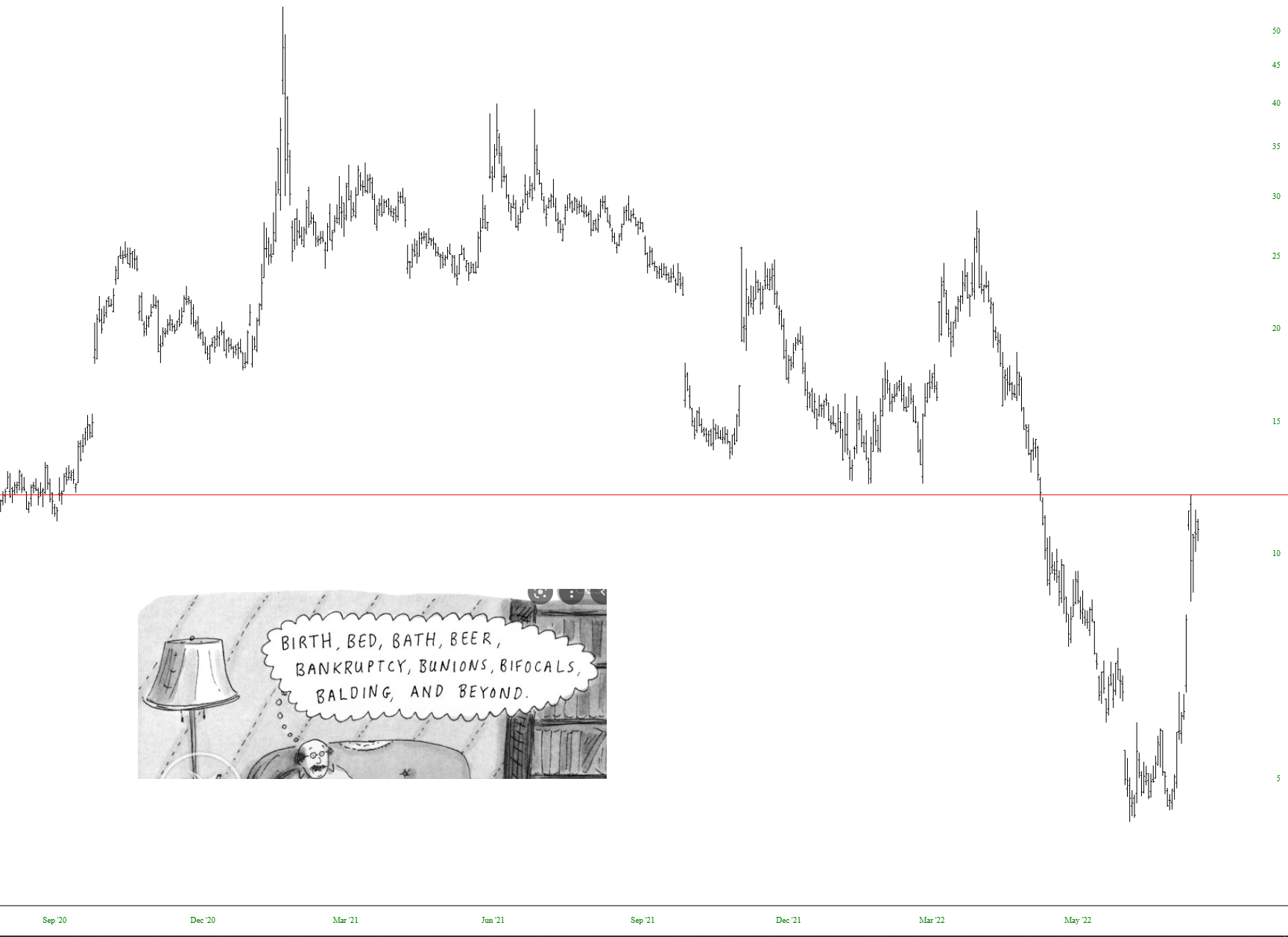
Most “meme” stocks make sense, in the respect that the companies involved would have something to do with the interests of 19 year olds. For example, pot stocks (like ACB) were huge meme stocks before they got destroyed. And, more recently, Gamestop makes sense, because obviously 19 year olds spend their time sleeping, eating, and playing Call of Duty.

But the weirdest one is Bed Bath and Beyond, which is only relevant to these “traders’ since that’s where their moms go to buy throw pillows, scented candles, and dish towels. It has been on a tear lately, almost tripling in price in a matter of days.

(more…)