

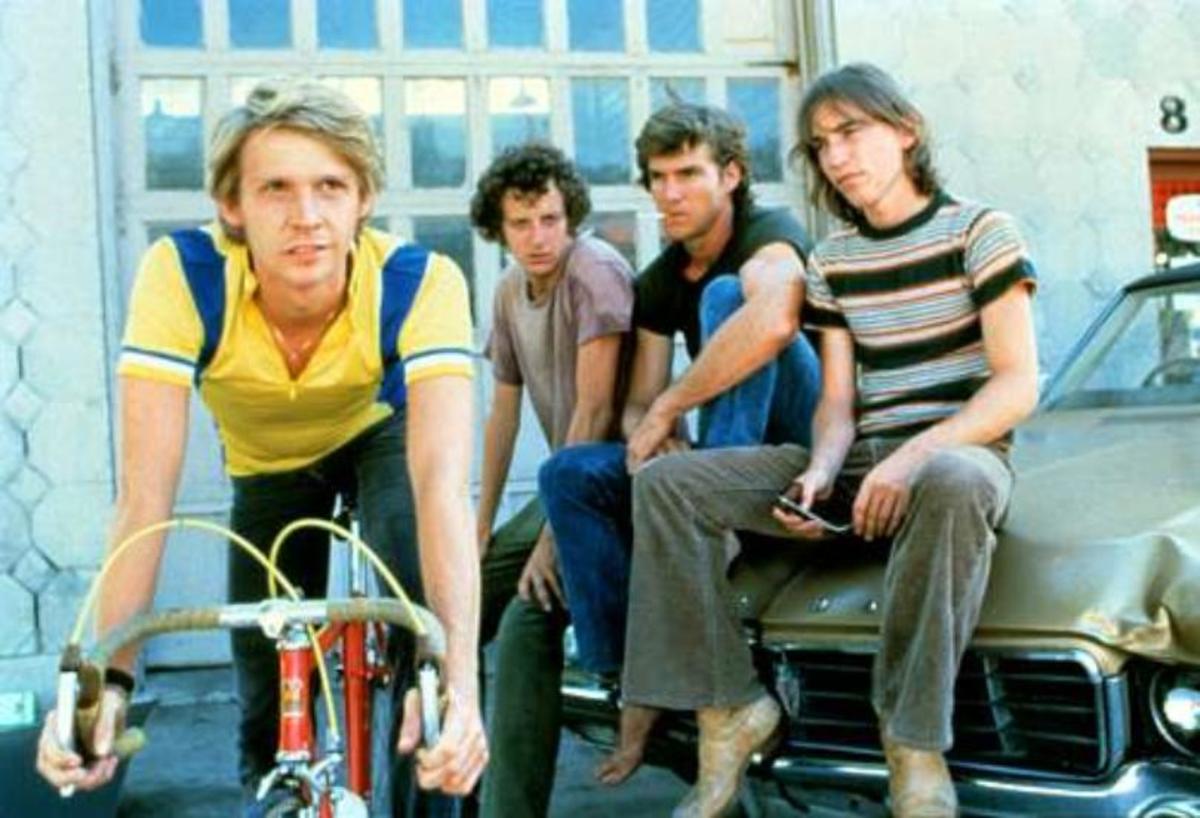
I recently watched a movie that I hadn’t seen in years called Breaking Away, which was a 1979 production about a kid in Indiana who was in love with biking and won in one of those “against all odds” type races. I was really into biking when I was young, so it was a favorite film of mine, and nice to re-visit.
While I was watching the film, it occurred to me how many films of that era followed a tried-and-true formula. I didn’t realize it at the time, but there was, in the early 1980s, a color-by-numbers approach to movies for teens which yielded some of the most successful pictures. Let’s review the required players.
The Haves-Nots
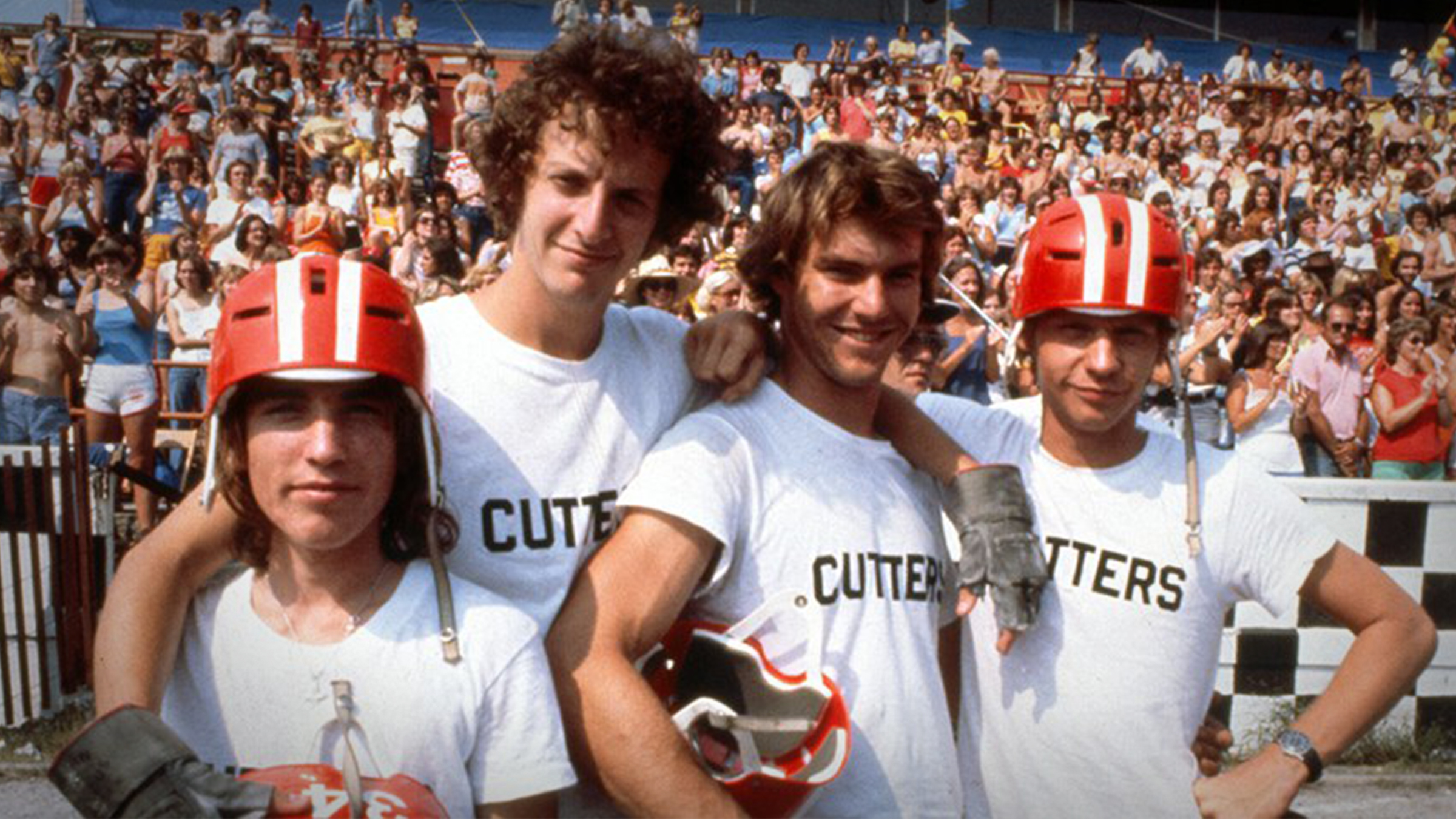
These are the underclass of the movie. They live on the wrong side of town. Or they aren’t physically attractive. Or they’re socially awkward. Or all of the above. This is the group the audience wants to relate to, since – – like the audience – – they’re just average, everyday folks trying to make their way through this world.
I’m going to use five example movies in this sweeping cinematic analog just to prove my point. So here are the “have-nots” for these five, and I’ll present them all in a consistent order.



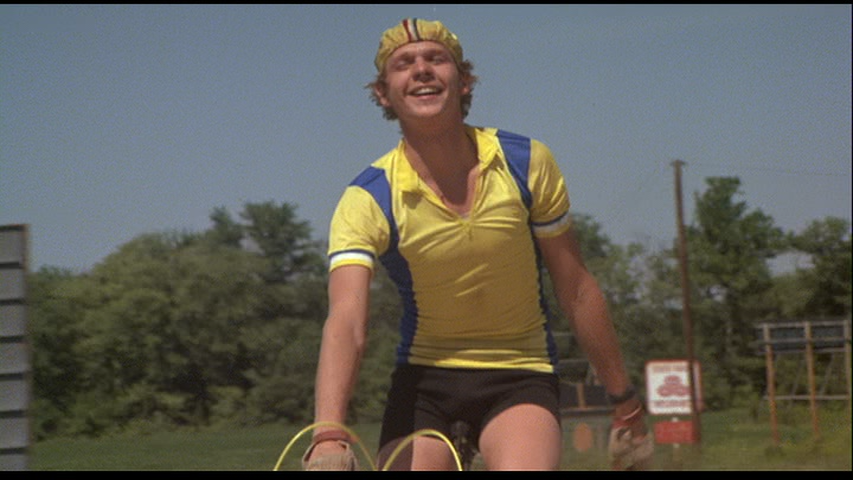
The Hero
Now we have the guy the audience (especially the male audience) is really supposed to relate to. He has the same attributes as the group above, but he is singled out for abuse or violence by the anti-hero of the movie. He also, invariably, has his eyes on the love interest of the anti-hero. This is the guy who the audience really wants to see win in the end.



The Asshole Anti-Hero
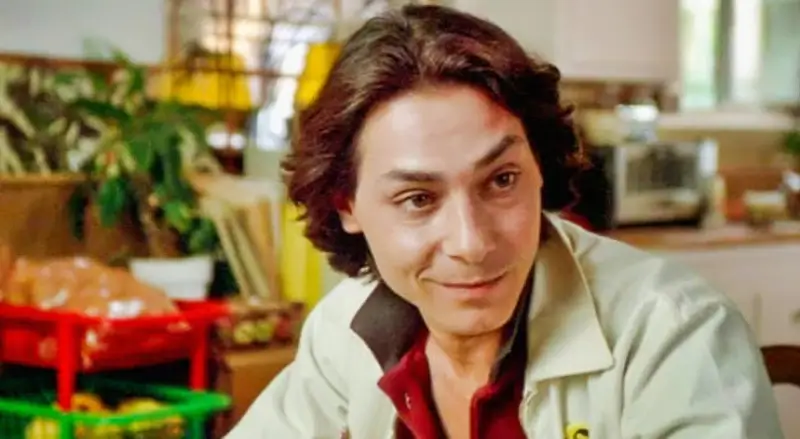
And now we have the bad guy. This guy is typically super handsome, or at least strong or popular. He is charming to his friends and others that have something to offer him, but he’s an absolutely jerk to everyone else. He also has some really hot babe as his girlfriend.




The Cute Girl
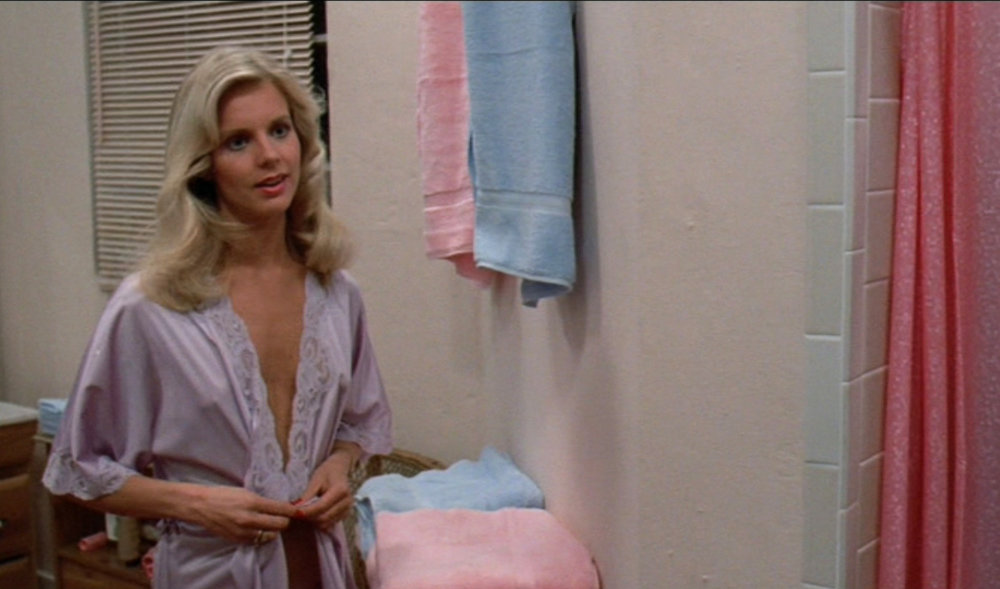
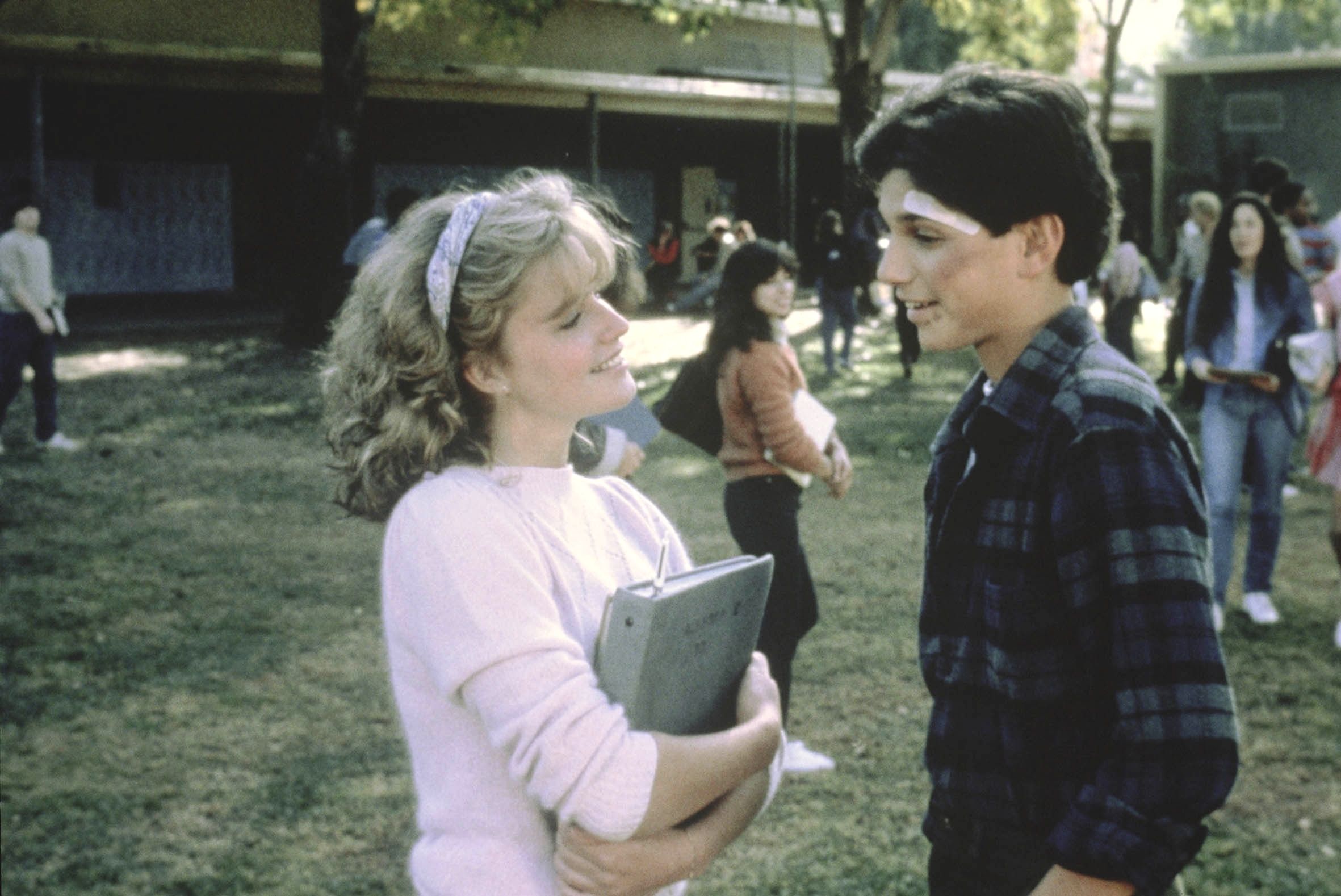
And here’s how these movies get their R-rating (usually). You’ve got some young lass, often seen briefly nude, who is with the asshole for most of the movie, but in the end winds up with the sweet dork.



The Story Arc
There’s no need for me to rehash the construction of a three-act play, but as for the movies above, it generally goes like this:
- You establish the characters. There are the haves and have-nots.
- There is some form of conflict between the haves and have-nots, often involving a physical altercation in which the have-nots lose badly.
- The hero sees and is smitten by the cute girl. He tries his best to pursue her.
- The asshole finds out and beats the shit out of the hero.
- Some kind of rectifying event is established, such as a tournament, a race, or a contest of some other kind.
- Leading up to this event, all indications are that the bad guys are going to absolutely trounce the good guys.
- The event takes place, and right up until near the end, it seems that the bad guys are going to triumph.
- Yet, lo and behold, the hero succeeds in the final moments, and he wins the girl.
And……….scene.
The Breaking Away Inflation Index
I actually was initially going to make this a very short post about a very specific point (but I sort of went off on a tangent and made the excursus above). Anyway, what struck me in Breaking Away was that they would often make the point about the “rich kids” that went to Indiana University at Bloomington. It was clear they wanted to make a huge distinction between the “cutters” who lived in town versus the oh-so-posh snobby brats that were at University, as if it cost a quarter million bucks a year to attend.
Look, in 1979 when the film was made, the entire cost for a year’s tuition, room, and board was a couple thousand bucks, for God’s sake. Even today, the same school has tuition of $11,000.

Being a parent myself, I invested – – and I am not making this up – – about $700,00 in tuition and extracurriculars for each of our kids before college, and the college itself runs about $85,000 a year per year. So watching a movie where they wouldn’t shut up about how out-of-reach The University of Indiana was – – I mean, literally hundreds and hundreds of dollars per quarter!!! – – I couldn’t help but roll my eyes.
Anyway, I hope you enjoyed how my analog-obsessed brain was able to construct the motif above.
