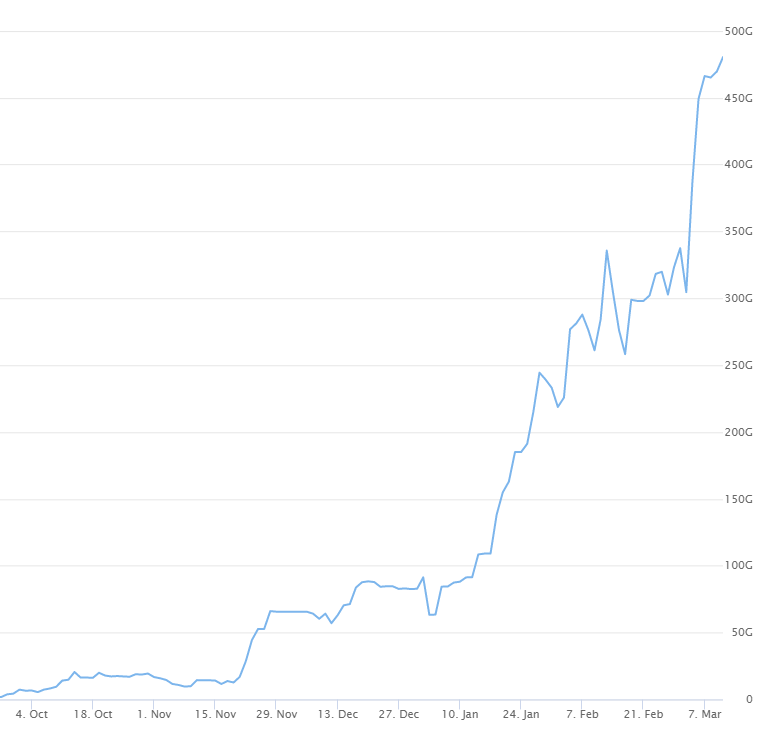

The above is the equity curve from virtual trading. All starting from just $100,000 last autumn!
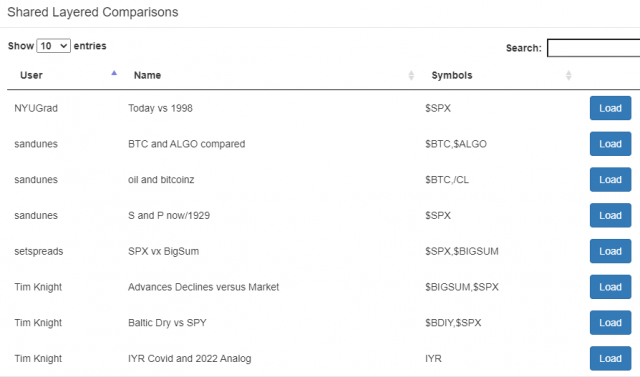
Slope initially began as a blog, so this is where most of the website’s content resides. Here we have tens of thousands of posts dating back over a decade. These are listed in reverse chronological order. Click on any category icon below to see posts tagged with that particular subject, or click on a word in the category cloud on the right side of the screen for more specific choices.

The above is the equity curve from virtual trading. All starting from just $100,000 last autumn!
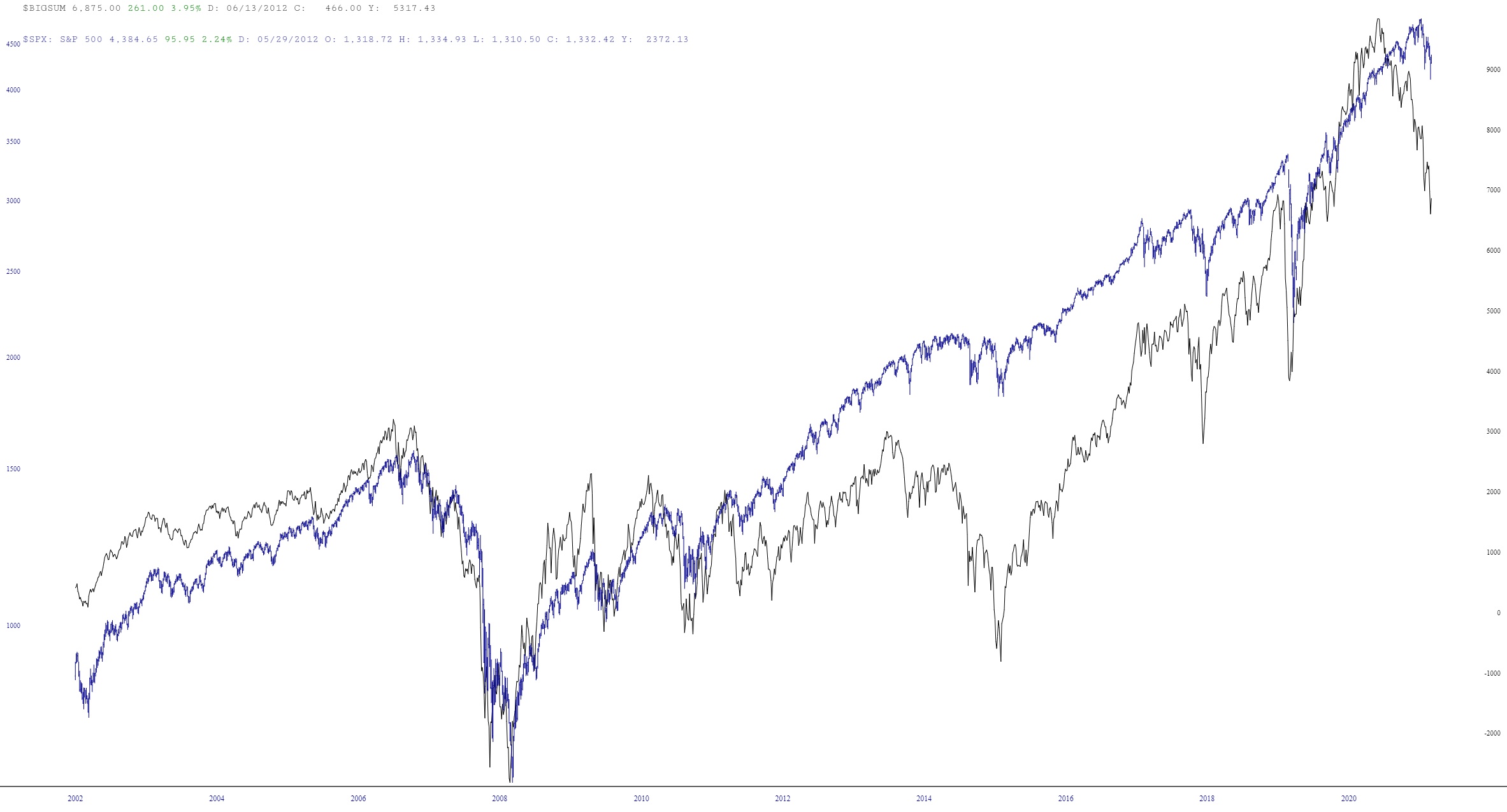
Since I don’t trade the futures markets, I have been monkeying around with the site to while away my time as I wait for the opening bell tomorrow. I created another really powerful example of a Layered Chart that I wanted to share with everyone.
What I did was chart $BIGSUM which is the summation of advance/declines and plotted it against the S&P 500 cash index. I used the “Synch” function to line these up, and a very cool chart ensued.

One of my inspirations for creating Layered Charts was a weekly chart I get from McClellan Publications. I would look at something like the chart below and think, “I wish I could do that in SlopeCharts.“

We only rolled out the awesome new Layers feature late last night, and I’m having a ball with it. As I mentioned, the one feature I really want to add is the ability to Save charts, so rest assured, that’s coming.
Let me offer an example I just did to show how Layers can be used. So let’s start with the sensible-sounding premise that interest rates have an influence on real estate. So I put the 15-year fixed mortgage in one layer and the IYR in another (note bene: I’m sure other mortgage rates might be better choices, but, meh, what the hell, I landed on this one). Importantly, I did a Flip on the interest rates, which inverts the scale (in other words, the bottom of the chart represents higher rates).
Already, we can see a very cool interaction between these two. Notice how interest rates seem to lead – – by a long time – -the real estate market?
(more…)